
Riaz Hussain
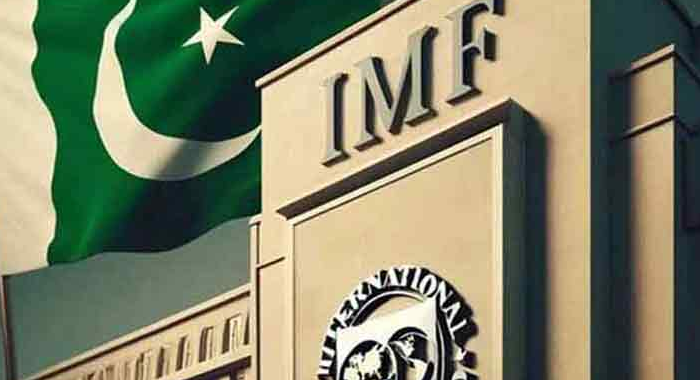
PESHAWAR: Formal negotiations between Pakistan and the International Monetary Fund (IMF) for the fourth review of the $7 billion Extended Fund Facility (EFF) and the third review of the Resilience and Sustainability Facility (RSF) are expected to begin as Pakistan faces a mixed economic picture.
The IMF mission, led by Iva Petrova, is expected to stay in Pakistan for nearly two weeks to assess the country’s performance through June 2026. The review will cover fiscal performance, taxation, energy, external financing, trade and structural reforms.
A successful review could unlock about $1 billion under the EFF and $200 million under the RSF, bringing the expected disbursement to around $1.2 billion by late November or early December.
Pakistan is currently implementing a 37-month IMF programme aimed at stabilising the economy through fiscal discipline, structural reforms and measures to support sustainable growth. The previous EFF and RSF reviews, completed in May 2026, released around $1.1 billion under the EFF and $220 million under the RSF.
Tax target met, but original target missed
Pakistan’s fiscal performance will be one of the key issues during the latest review.
The Federal Board of Revenue (FBR) collected Rs13.601 trillion in gross taxes during FY2025-26. After refunds of around Rs597 billion, net collection stood at approximately Rs13.003 trillion.
This exceeded the revised FBR target of Rs12.983 trillion, but remained around Rs1.13 trillion below the original budget target of Rs14.131 trillion.
The government has set an even higher target for the current fiscal year. The FBR is expected to collect Rs15.264 trillion in FY2026-27, an increase of about 17.6% over the revised target for the previous year.
The government has also targeted a 2% primary surplus of GDP and an overall fiscal deficit of 3.6% of GDP.
The IMF is therefore likely to focus not only on last year’s performance but also on whether Pakistan can sustain higher revenue collection while controlling expenditure and maintaining economic activity.
Exports rise, but imports grow faster
Pakistan’s external sector presents another mixed picture.
Merchandise exports increased 7.73% to $5.494 billion during July-August 2026, compared with $5.10 billion in the same period last year.
However, imports grew considerably faster, rising 14.56% to $12.745 billion during the first two months of FY2026-27.
Consequently, the merchandise trade deficit widened to around $7.25 billion, more than 20% higher than the corresponding period last year.
The figures highlight one of Pakistan’s continuing economic challenges: although exports are increasing, import growth is outpacing export earnings, putting pressure on the country’s external account and foreign-exchange requirements.
Energy and external shocks remain concerns
Energy-sector reforms are also expected to feature prominently in the IMF discussions.
Pakistan remains heavily dependent on imported oil and petroleum products, making the economy vulnerable to fluctuations in international energy prices. Higher oil prices can increase the import bill, put pressure on foreign-exchange reserves and contribute to domestic inflation.
Economist and journalist Tahir Ameen said the IMF review would go beyond individual numerical targets and examine Pakistan’s broader fiscal, energy, trade and investment performance.
He said Pakistan had broadly achieved several targets set for June, although there were shortfalls in some areas. The IMF would also assess the government’s measures to address those gaps, including expenditure controls.
Ameen noted that international developments, particularly energy prices and changes in trade and investment flows, could affect Pakistan’s ability to meet its IMF commitments.
What the IMF will be watching
The current review is expected to focus on several major areas, including:
FBR revenue mobilisation and broadening of the tax base;
fiscal discipline and the primary surplus;
energy-sector reforms and circular debt;
foreign-exchange reserves and external financing;
export growth and the widening trade deficit;
state-owned enterprise and structural reforms; and
measures to improve investment, productivity and competitiveness.
Pakistan’s immediate priority is to complete the review and secure the next IMF disbursement. But the broader challenge is to turn short-term economic stabilisation into sustainable growth.
The latest figures show both progress and continuing vulnerabilities: tax collection exceeded the revised target, exports are rising, but the government faces a significantly higher tax target while imports are growing faster than exports.
The outcome of the IMF review will therefore be an important test of Pakistan’s fiscal reforms, external-sector resilience and ability to maintain economic stability beyond the current financing cycle.
Pakistan enters crucial IMF review amid fiscal and trade challenges