
By Riaz Hussain :
As Pakistan marks another year in its post-colonial history, the Battle of Takkar — a significant yet often overlooked episode in the anti-British resistance — is once again being remembered for the sacrifices made by Pashtun villagers during the height of the civil disobedience movement.
On May 28, 1930, British colonial forces launched an aggressive operation in the village of Takkar in Mardan District, aiming to arrest members of the Khudai Khidmatgar movement. The movement, led by the non-violent reformer Khan Abdul Ghaffar Khan (Bacha Khan), had gained widespread support in the region following the massacre at Qissa Khwani Bazaar just weeks earlier.
Context of Resistance
The early 1930s were marked by political unrest across British India, with the North-West Frontier Province (now Khyber Pakhtunkhwa) emerging as a key center of resistance. The Khudai Khidmatgar movement, also known as the “Servants of God,” advocated nonviolence, education, and social reform. However, the British colonial administration viewed the movement with hostility and responded with arrests, violent crackdowns, and collective punishments.
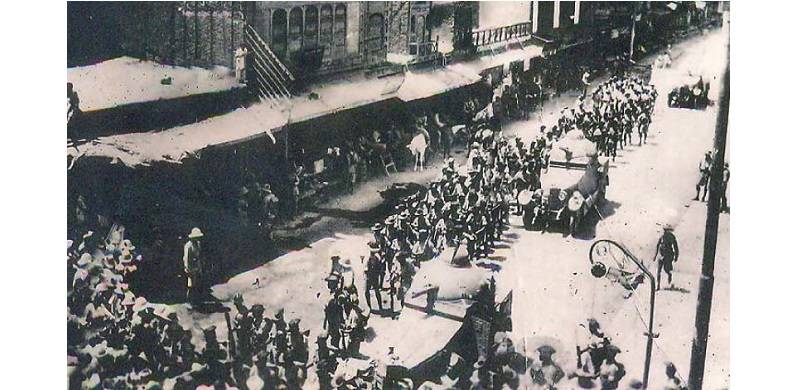
Following the April 23 Qissa Khwani Bazaar Massacre in Peshawar — where British troops opened fire on peaceful demonstrators — unrest in the province intensified. In response, colonial authorities escalated their efforts to dismantle local networks of civil resistance.
The Clash at Takkar
Tensions reached a boiling point on May 28, 1930, when British forces attempted to detain Khudai Khidmatgar activists in Takkar. The villagers, largely unarmed, resisted the arrests, leading to a confrontation. Eyewitness accounts and local oral histories describe a prolonged and violent clash during which British troops used machine guns and artillery against the villagers.
The confrontation reportedly lasted several hours. Despite their lack of arms, villagers resisted with determination. Over 70 residents were killed and many others wounded. British forces also sustained casualties, although official colonial records provide minimal details.
Collective Punishment and Repercussions
In the aftermath, the British administration imposed harsh punitive measures on Takkar. These included collective fines, property confiscations, and social restrictions aimed at breaking the spirit of resistance in the region. The village was effectively made an example to deter similar acts of defiance in neighboring areas.
Despite the violence and reprisals, the Khudai Khidmatgar movement continued to grow, drawing attention internationally for its disciplined and nonviolent resistance against British imperialism.
Historical and Political Significance
Though the Battle of Takkar remains lesser known compared to landmark events like the Jallianwala Bagh massacre or the Quit India Movement, historians argue it played a vital role in sustaining grassroots resistance in Khyber Pakhtunkhwa. The incident highlighted both the resilience of local communities and the extent of colonial repression in the region.
“The sacrifices made by the people of Takkar represent the indomitable spirit of nonviolent resistance,” said Dr. Hamid Ali, a historian specializing in South Asian colonial history. “These stories deserve a central place in our national consciousness.”
Legacy and Commemoration
For decades, the battle received limited attention in official historical narratives. However, descendants of the victims and regional historians continue to honor those who lost their lives. Annual commemorative events are held locally, and there is a growing call for national recognition.
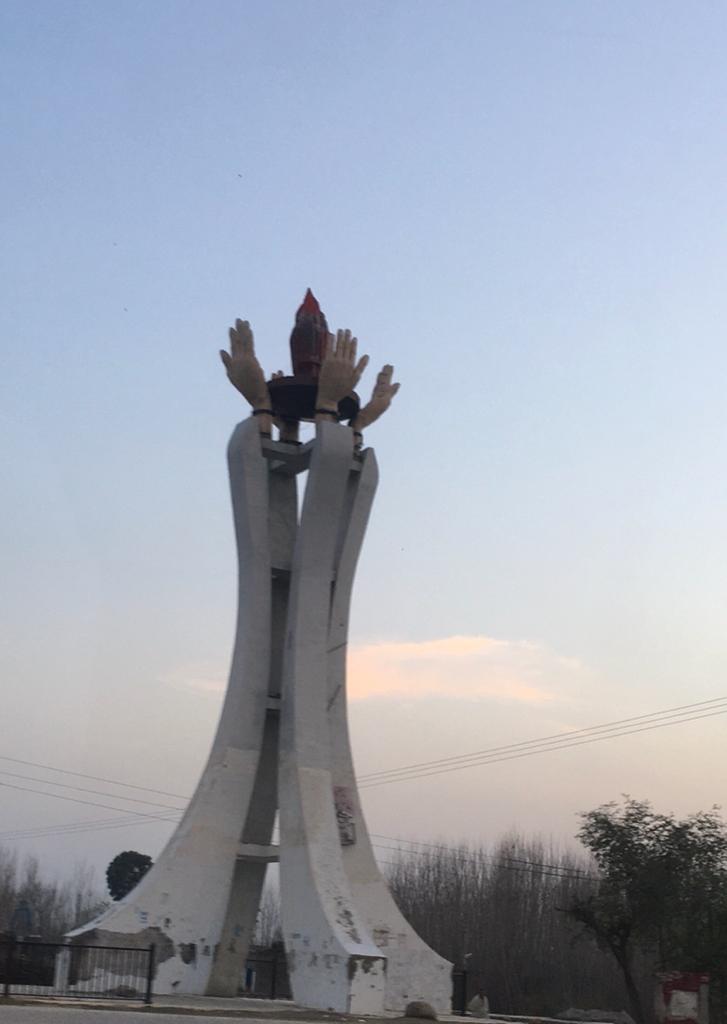
Advocates have urged the government to include the Battle of Takkar in educational curricula and erect memorials to preserve its memory. “This is not just a local story — it is a national legacy,” said Ahmed Khan, a community organizer in Mardan.
Conclusion
Ninety-five years on, the Battle of Takkar remains a poignant reminder of the costs of freedom and the strength of nonviolent resistance. As Pakistan continues to reflect on its journey toward independence, acknowledging such forgotten chapters offers a deeper, more inclusive understanding of its complex struggle against colonial rule.