CBN Exclusive
Sardar Khan keeps a small bag by the door of his stone house in Tirah Valley. It has been there for weeks. Inside are identity cards wrapped in plastic, school certificates belonging to his children, a change of clothes for each family member, and a faded photograph of his late father. The bag is not packed for travel. It is packed for flight.
At 54, this is the second time in his life Sardar has lived this way.
“We returned in 2015 to nothing,” he said, standing at the threshold of his home and looking out over terraced fields his family has farmed for generations. “No electricity, no schools, no roads. We rebuilt everything ourselves, stone by stone.”
He paused, his hand resting on the doorframe.
“Now there is talk of displacement again,” he added. “And we are asking ourselves how many times a person can begin from zero.”
Across Pakistan’s northwestern Khyber District, families are asking the same question. Tirah Valley, a remote mountainous region along the former tribal belt, has endured repeated cycles of violence, displacement, and fragile return for more than two decades. Large military operations officially ended years ago, but for many residents, peace has never fully arrived. Instead, it has hovered just out of reach—interrupted by insecurity, economic hardship, and the memory of loss.
When Silence Speaks
Shortly after Friday prayers in late December, a quiet procession formed at Khyber Chowk, the commercial heart of Bara town. Young men stood alongside elders and political activists. Black cloth covered their mouths. There were no loudspeakers, no chants. When they began walking toward the Bara Press Club, the only sound was the steady rhythm of footsteps.
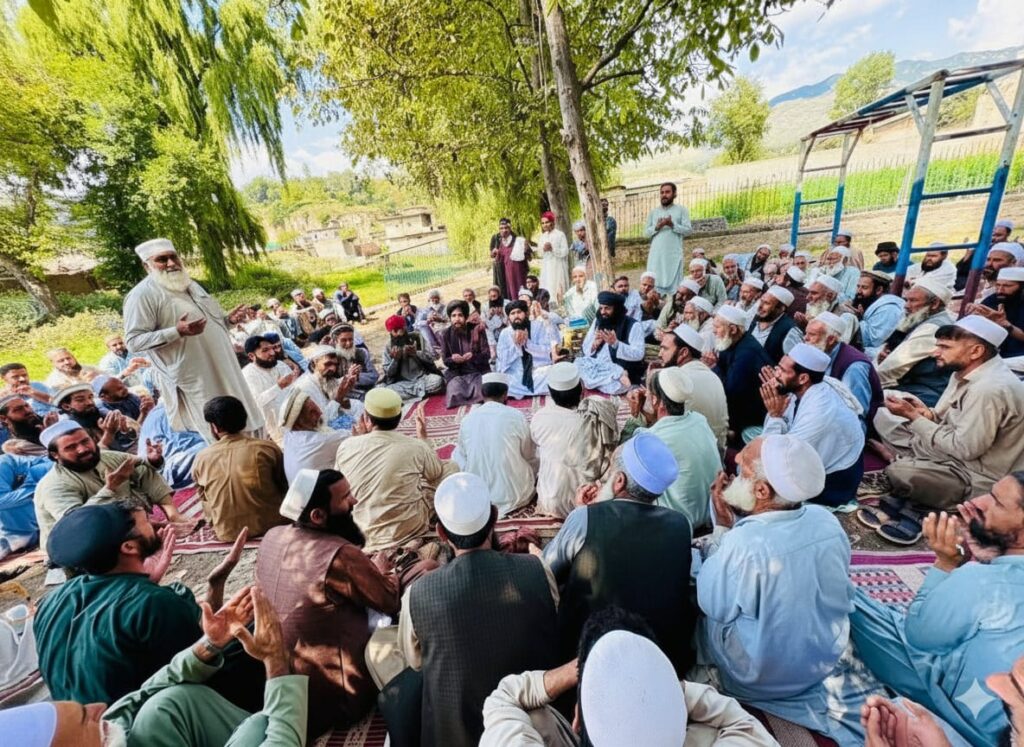
Shopkeepers stepped out to watch. Traffic slowed. The silence drew attention more powerfully than any rally could.
“We chose silence because speaking has brought us nowhere,” said Hashim Khan Afridi, president of the Bara Political Alliance, later that afternoon. Sitting in a small office above a mobile phone shop, he explained that years of instability had brought deep human and financial losses, while those raising concerns often felt sidelined.
“When words fail, silence becomes a message,” he said. “We hoped someone might finally listen.”
The protest, organized by Pashtun Students Khyber, focused on two issues participants say are deeply connected: the reported disappearance of several University of Peshawar students who attended a government-organized peace jirga, and the looming displacement of families from Tirah Valley. To those marching in silence, both reflect the same fear: civilians participate in dialogue, follow official processes, and still find themselves unprotected.
Naqeebullah Afridi, a 22-year-old university student, briefly lowered his mask to speak before rejoining the march.
“They attended a peace meeting on October 12,” he said. “They went because they believed in dialogue. Their families have tried legal and administrative channels, but they still have no information.”
Living With Uncertainty
For residents of Tirah Valley, fear has become a form of arithmetic, calculated daily.
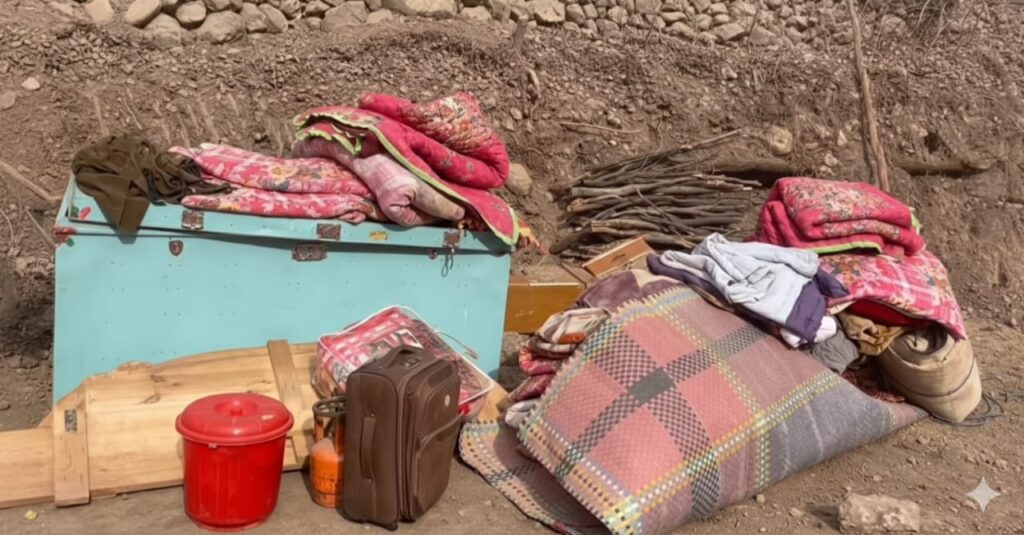
For nearly three years, sporadic clashes between security forces and armed groups have continued in parts of the valley, according to residents interviewed for this report. Weeks of calm are often followed by sudden violence. Checkpoints appear without notice. Rumors spread faster than facts.
Gul Rehman, who runs a small grocery shop in one of the valley’s market towns, asked that his real name not be used for safety reasons. Behind his counter, sacks of flour and rice are stacked high. A refrigerator hums softly in the corner.
“You cannot plan your life here,” he said. “Some days roads are open. Some days they are not. Parents keep children home from school when they hear helicopters. Farmers delay planting because they don’t know if they will be here to harvest.”
Security officials, speaking privately because they were not authorized to comment publicly, described continued threats from armed groups, including attacks using improvised explosive devices.
An Agreement, and Doubts That Remain
After months of negotiation, an agreement was reached involving a 24-member committee representing various tribes and political groups, along with district administration officials and security representatives. The framework outlines a managed displacement process and a phased return.
Under the agreement, registration of displaced families is scheduled between January 10 and January 25, with returns planned from April 5. Compensation has been outlined for damaged homes, alongside cash assistance, monthly allowances, medical support, transport, and food aid following biometric verification.
District officials confirmed the broad terms of the agreement but declined to provide detailed timelines or funding guarantees. For residents, those unanswered questions determine whether the plan represents real relief or another set of promises that may not survive implementation.
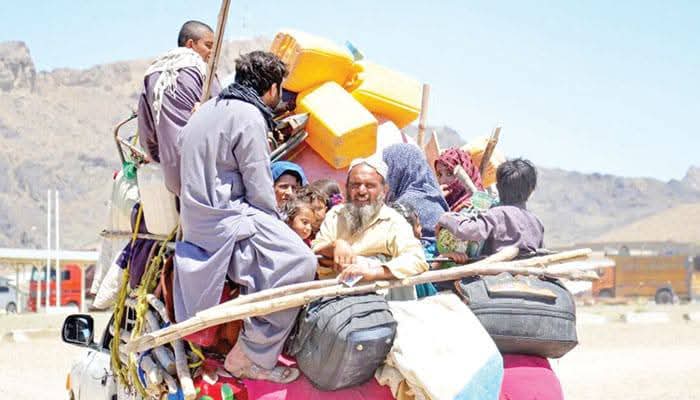
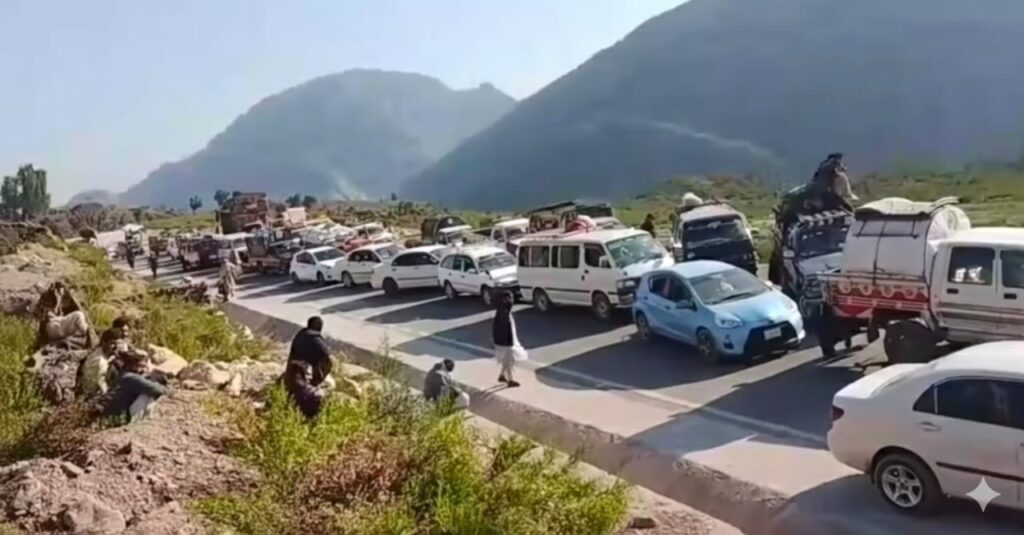
Some families have already left, unwilling to wait. Others remain, hoping displacement can be avoided. Many have split their households, sending women and children to relatives in Bara or Peshawar while men stay behind to protect property and livestock.
Divided Voices, Shared Burden
Consensus in Tirah Valley is rare and difficult. Elders from the Malik Din Khel tribe publicly rejected the displacement agreement, saying it was reached without adequate consultation. Speaking at a press conference, Muhammad Iqbal said collective decisions must reflect broader community consent.
The elders also highlighted economic losses in Pir Mela Bazaar, where traders say repeated disruptions have destroyed businesses as well as livelihoods. Compensation for homes alone, they argued, does not address the full cost of displacement.
A jirga was scheduled to address these concerns, though its outcome remained unclear at the time of publication. The provincial ruling party has distanced itself from the agreement.
The Weight of Memory
For residents over 30, today’s fears are inseparable from the past.
In 2013, large-scale operations displaced tens of thousands. Families scattered across Khyber Pakhtunkhwa, living in camps, rented rooms, or with relatives. When they returned, homes were destroyed, farmland damaged, and public services absent. Reconstruction came not through major state programs, but through remittances, loans, and years of collective effort.
That history is why the phrase “temporary displacement” carries such weight. It is not simply about leaving. It is about whether there will be anything left to return to.
Sardar Khan learned that lesson the hard way. Without documents during the last displacement, his family struggled for years to reclaim property and access assistance. That is why the bag by his door contains papers, not clothes.
“How many times can people rebuild their lives?” he asked quietly.
Waiting Between Conflict and Peace
As January approaches, families across Tirah Valley are making choices with no good answers: stay and risk violence, leave and risk losing everything again, or divide families and absorb the cost of separation.
For communities already living at the edge of poverty, renewed instability is not merely a security issue. It is a question of dignity, survival, and whether peace will ever mean more than a pause between crises.
Back in his doorway, Sardar Khan watched green shoots of winter wheat push through the dark soil. If the fighting stays away, there will be a harvest in a few months.
“We are preparing for uncertainty,” he said. “Hoping for stability. Bracing for disappointment.”
The bag by the door remains packed.
Just in case.