
H. Nawaz Afghan | Islamabad, Pakistan :
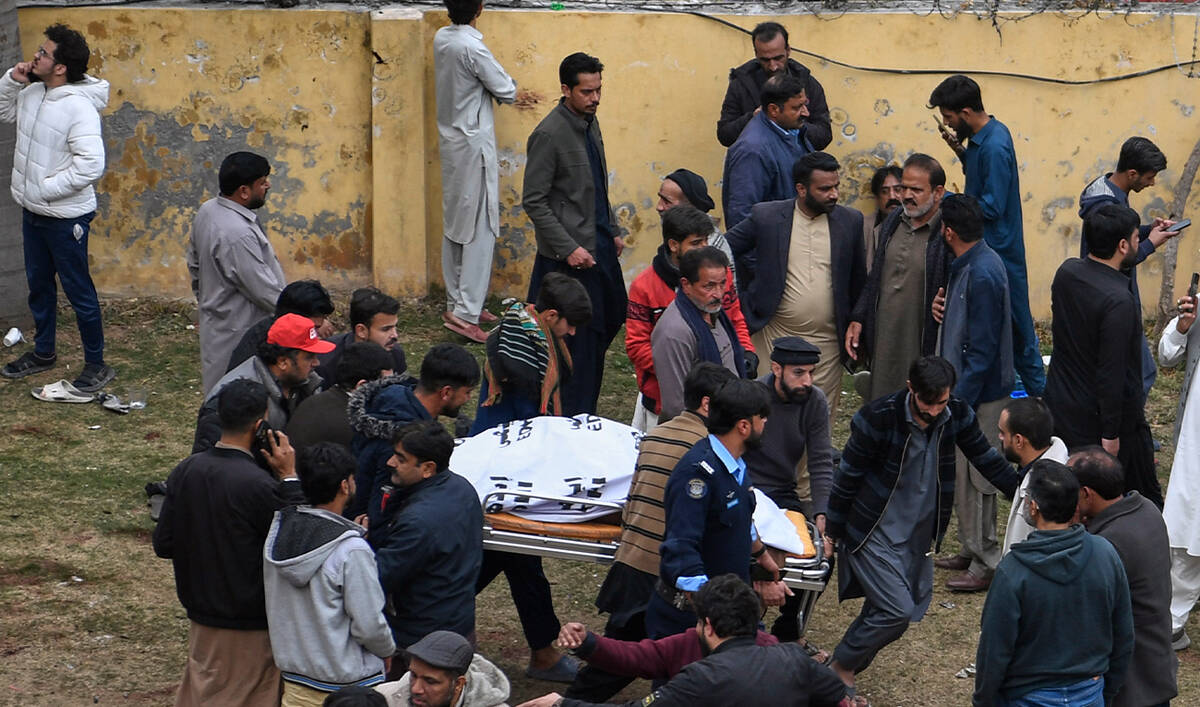
The suicide bombing at an Imam Bargah in Tarlai, a suburb of Pakistan’s federal capital, Islamabad, has once again exposed critical weaknesses in the country’s security strategy. The attack, which killed at least 31 worshippers and wounded more than a hundred others, raises troubling questions about how the violence continues to penetrate even the most guarded spaces of the capital.
The Imam Bargah was crowded with Shiite Muslims offering Friday prayers when the attacker struck. Beyond the immediate human tragedy, the incident triggered a broader debate: how did a suicide bomber manage to reach a sensitive religious site in Islamabad despite heightened security measures?
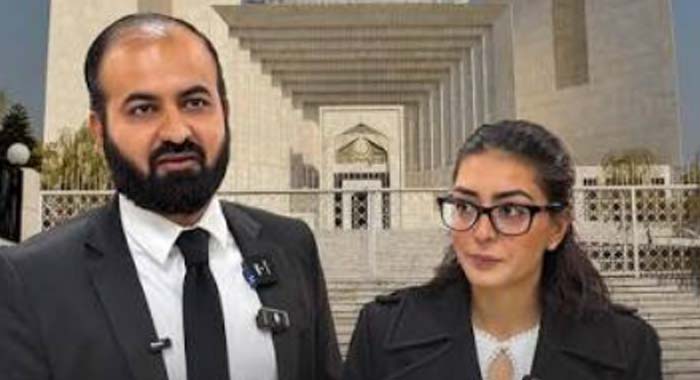
This was the second major terrorist attack in the federal capital within three months. Following the November attack on the judicial complex, authorities had announced a series of preventive steps, including stricter checks at entry points, mandatory E-Tags for vehicles, and door-to-door verification of residents. Yet, these measures failed to stop another deadly strike. This failure suggests that Pakistan’s counterterrorism challenge is not merely about checkpoints and documentation, but about deeper intelligence, coordination, and policy shortcomings.
The Islamic State of Khorasan Province (ISKP), also known as Daesh Khorasan, claimed responsibility for the attack.
According to security officials, the suicide bomber was Yasir, son of Bahadar Khan, a resident of Peshawar, though ISKP identified him under a different name. The discrepancy itself highlights the complexity of tracking militant networks that operate across regions and borders with ease.
Interior Minister Mohsin Naqvi stated that several facilitators had been arrested and alleged the involvement of an Indian-Afghan network. Reports indicate that close relatives of the attacker were taken into custody from Nowshera and Karachi, pointing to the existence of local support structures that enable such attacks. This underlines a persistent problem: militant operations rarely succeed without logistical assistance, safe houses, and ideological backing within society.
The interior minister hinted that security agencies remained active, saying that, based on intelligence reports, “only one out of a hundred planned attacks succeeded,” while dozens of others were foiled before they could be carried out.
ISKP remains a serious and evolving threat to regional peace and security. The group has repeatedly targeted not only Pakistan but also the Afghan Taliban, positioning itself as a transnational militant actor. The strained relations between Islamabad and Kabul have created spaces that ISKP has exploited effectively. Border tensions, mutual distrust, and lack of intelligence sharing have weakened collective counterterrorism efforts, allowing the group to expand its operational reach.
The timing of the attack was also significant. It occurred as the Punjab government had cautiously encouraged limited cultural activities to welcome spring, including the revival of Basant-related events. In the aftermath, all such activities were cancelled, and what was meant to symbolize renewal instead gave way to nationwide mourning. This reflects how terrorism continues to dictate the rhythm of public life, suppressing cultural expression and reinforcing fear.
The tragedy in Tarlai is not just another statistic in Pakistan’s long struggle with militancy. It is a reminder that reactive security measures and political point-scoring are insufficient. Without meaningful intelligence reform, regional cooperation, and a unified approach to countering extremist ideologies, such attacks will continue to recur.
Instead of asking only how the attacker reached the target, the more urgent question remains unanswered: why, despite years of experience and sacrifice, does Pakistan still struggle to prevent such assaults on its most vulnerable citizens?