
Islamabad :
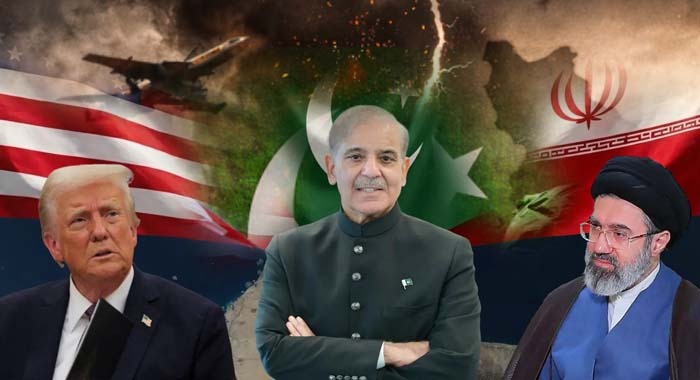
The United States and the Islamic Republic of Iran have signed the historic “Islamabad Memorandum of Understanding” (MoU), marking a major diplomatic breakthrough aimed at ending a crisis that had threatened regional stability and global energy security.
Pakistani Prime Minister Shehbaz Sharif announced Thursday that the agreement had been electronically signed by the presidents of both countries and had entered into force with immediate effect. The accord was also endorsed by Pakistan in its role as mediator.
According to the announcement, Iran will immediately reopen the Strait of Hormuz, while the United States will lift its naval blockade as the first steps toward implementing the agreement.
“The signing of this agreement at the highest level of the respective governments demonstrates the commitment of both sides to a diplomatic resolution of the conflict,” Prime Minister Sharif said in a statement.
The agreement follows weeks of intensive diplomacy involving senior officials from Washington, Tehran, and several regional capitals. The Strait of Hormuz, through which a significant portion of the world’s oil exports passes, had become a focal point of international concern amid escalating tensions between the two countries.
Prime Minister Sharif praised U.S. President Donald J. Trump for what he described as a steadfast commitment to diplomacy and peaceful conflict resolution. He also commended members of the American negotiating team, including Vice President J.D. Vance, Special Envoy Steve Witkoff, and adviser Jared Kushner, for their contributions to the talks.
On the Iranian side, Sharif expressed appreciation for Supreme Leader Ayatollah Seyyed Mojtaba Hosseini Khamenei and President Masoud Pezeshkian, crediting their leadership and support for peace efforts. He also recognized the work of Iranian negotiators Mohammad Bagher Ghalibaf, Abbas Araghchi, and Eskandar Momeni.
The Pakistani leader additionally acknowledged the diplomatic efforts of Qatar, Saudi Arabia, Türkiye, and Egypt, saying their engagement played an indispensable role in facilitating the agreement.
Special recognition was also given to Pakistan’s Chief of Army Staff, Field Marshal Syed Asim Munir, whose efforts were described as instrumental in advancing negotiations and promoting regional stability.
International observers have hailed the memorandum as a potentially transformative development for the Middle East. If successfully implemented, the agreement could reduce the risk of military confrontation, restore confidence in vital maritime trade routes, and open the door to broader diplomatic engagement between Washington and Tehran.
The Islamabad Memorandum represents one of the most significant diplomatic initiatives undertaken by Pakistan in recent years and could emerge as a landmark achievement in regional peacemaking efforts.