
By Riaz Hussain
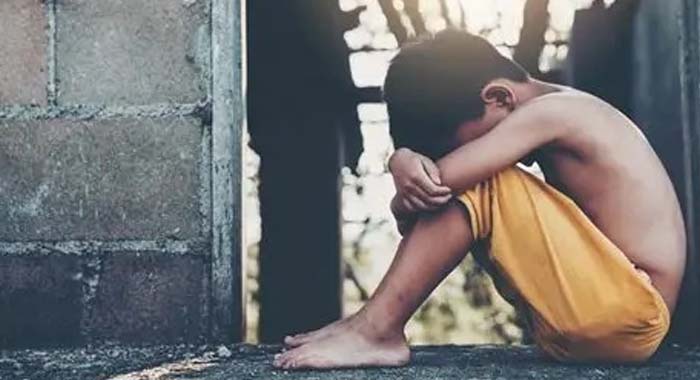
MARDAN: Child abuse continues to pose one of Pakistan’s most pressing child protection challenges, with hundreds of children falling victim to sexual abuse, abduction, violence and exploitation every month despite stronger legislation and growing public awareness.
The issue has once again come under the national spotlight following a series of disturbing incidents across the country, including the alleged rape of a 20-year-old woman with learning disabilities inside Lahore’s Ghaziabad police station. The case prompted Punjab Police to suspend all 78 officers and staff of the police station, while the assistant sub-inspector accused of the assault was arrested. The incident reignited concerns about institutional accountability and the protection of vulnerable people.
The latest police figures from Mardan district paint an equally troubling picture. Between January and July this year, police registered 70 crimes against children, including 43 cases of child sexual abuse, 16 incidents of violence, six kidnappings and five murders. Police said all suspects named in the cases had been arrested and legal proceedings were underway.
The Mardan data reflects a nationwide trend highlighted in Sahil’s Six Months Cruel Numbers Report 2026, which documented 1,914 child abuse cases across Pakistan during the first six months of the year. Although slightly lower than the 1,956 cases reported during the same period in 2025, the figures reveal that nearly 11 children were reported as victims of abuse every day.
Compiled through monitoring 81 English, Urdu and regional newspapers across Pakistan, including Islamabad, Azad Jammu and Kashmir and Gilgit-Baltistan, the report tracks incidents of child sexual abuse, abduction, missing children and child marriages.
According to Sahil, child sexual abuse accounted for 1,015 cases, making it the most significant category of abuse, while 558 children were abducted, 101 were reported missing, and 35 child marriages were documented. The report also recorded 98 pornography-related child sexual abuse cases and 49 incidents in which abandoned infants were found by roadsides, underscoring the multiple forms of violence faced by children.
Girls remained disproportionately affected, accounting for 58 percent of reported victims, while boys represented 42 percent. However, boys were more frequently victimized in pornography-related sexual abuse cases.
The report found that children between the ages of 11 and 15 years were the most vulnerable, representing nearly one-third of all reported victims. Children aged six to ten years also accounted for a significant number of cases, highlighting that abuse affects children across all age groups.
Child protection experts say increased reporting should not necessarily be interpreted as a sharp increase in crime but rather as a sign that families are becoming more willing to report abuse.
“Years ago, child sexual abuse remained hidden because of social stigma and silence,” said Imran Takkar, Provincial Coordinator of Group Development Pakistan. “Today, there is greater awareness among families, communities and government institutions. More survivors are coming forward, but prevention remains our biggest challenge.”
He said child sexual abuse affects both boys and girls, with a large number of cases involving children between five and ten years of age. While Pakistan now has child protection laws in all provinces and Islamabad, he stressed that legislation alone cannot solve the problem.
Takkar called for a coordinated national strategy involving parents, teachers, religious leaders, communities, police, prosecutors and child protection institutions. He said age-appropriate awareness on child safety should be incorporated into school curricula, while teachers, parents and law enforcement officials require regular training on recognizing abuse and responding effectively.
One of the most alarming findings in Sahil’s report is that most abusers are not strangers. In 43 percent of reported cases, the perpetrator was someone known to the child or family, including relatives, neighbours, acquaintances, religious teachers and other trusted individuals. Strangers accounted for 34 percent of cases.
The report also showed that 45 percent of abuse incidents occurred inside the victim’s own home, while another 18 percent took place at the offender’s residence, reinforcing concerns that children are often most vulnerable in places where they should feel safest.
Geographically, Punjab accounted for nearly 80 percent of reported child abuse cases, followed by Sindh with 15 percent, while the remaining cases were reported from Khyber Pakhtunkhwa, Balochistan, Islamabad, Azad Jammu and Kashmir and Gilgit-Baltistan. Faisalabad recorded the highest number of reported cases, followed by Multan, Lahore, Gujranwala and Kasur.
According to the report, 89 percent of child abuse cases were formally registered with police, suggesting improvements in reporting and legal response. However, rights organizations caution that media-based monitoring captures only reported incidents, meaning the true scale of child abuse is likely much higher.
Child rights advocates say Pakistan has made important progress by strengthening laws and encouraging reporting, but insist that preventing abuse requires sustained investment in child protection systems, public awareness campaigns, faster investigations, victim support services and stronger prosecution of offenders.
As reports of abuse continue to emerge from across the country, experts warn that protecting children cannot remain the responsibility of government alone. They say safeguarding Pakistan’s children requires a collective effort by families, schools, communities, religious institutions, civil society and law enforcement agencies to ensure every child grows up free from abuse, violence and exploitation.
Silent Crisis: Child Abuse Continues to Haunt Pakistan Despite Stronger Laws