
By Riaz Hussain
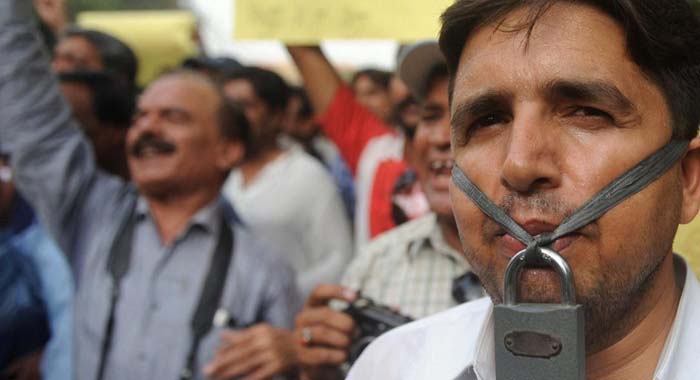
PESHAWAR: Journalists in Pakistan continued to face violence, intimidation and legal pressure during 2025-26, raising concerns about press freedom and the safety of media workers, according to a new report by Islamabad-based media rights organisation Freedom Network.
The report documented 78 incidents involving journalists between October 2025 and August 2026, including the killing of a journalist, attempted murders, physical assaults, threats and legal proceedings.
Although the number of documented violations declined compared with the previous reporting period, the report cautioned that the reduction did not necessarily indicate an improvement in journalists’ safety.
Freedom Network’s annual Impunity Report 2026, titled From Violence to Lawfare: Process as Punishment for Journalists, found that approximately 10 incidents involving media personnel were recorded each month during the reporting period.
The report was prepared with technical support from International Media Support (IMS) and authored by journalist Adnan Rehmat and Freedom Network Executive Director Iqbal Khattak.
It highlighted physical violence and intimidation alongside the growing use of legal proceedings under the Prevention of Electronic Crimes Act (PECA), describing these developments as significant challenges to independent journalism.
Freedom of expression essential to protecting other rights
Iqbal Khattak said Pakistan’s diplomatic efforts to help resolve the conflict involving Iran should be accompanied by a stronger commitment to protecting freedom of expression and democratic rights at home.
“Freedom of expression and the freedom to criticise are fundamental rights. Without these freedoms, it is difficult to imagine how other rights can be protected. In fact, freedom of expression is the mother of all human rights,” Khattak said.
He said Pakistan needed to take constructive and effective decisions on domestic challenges, particularly the situation in Khyber Pakhtunkhwa, just as it engaged with international diplomatic issues. Khattak said the use of PECA against journalists was increasing pressure on media professionals and undermining their ability to express independent opinions and fulfil their professional responsibilities.
He also emphasised the importance of digital media platforms, saying they offered an opportunity for people whose views were often excluded from newspapers and television to reach a wider audience.
Digital platforms, he said, should remain open to public expression, particularly when traditional media outlets were unwilling or unable to publish or broadcast certain viewpoints.
Attempts to suppress freedom of expression, Khattak added, were not in Pakistan’s national interest.
Journalists face barriers to information and access to affected areas
Senior Khyber Pakhtunkhwa journalist Farzana Ali said journalists in Pakistan were facing increasing restrictions, while access to information and areas affected by violence was becoming more difficult.
She said media professionals were under growing pressure over the stories they reported, the individuals they invited to television programmes and the subjects they addressed in their analysis.
According to Ali, expressing views on sensitive issues involving Khyber Pakhtunkhwa and Balochistan through personal social media accounts, podcasts and YouTube channels could sometimes lead to professional difficulties and even job losses.
Referring to her own experience, she said expressing opinions on sensitive regional issues had exposed her to professional pressure and employment-related challenges.
Threats against journalists, attacks on their homes and obstacles to reporting incidents had further complicated the working environment for media professionals, she added.
“Journalists are not spokespeople or mouthpieces for anyone. Our responsibility is to report what happens around us and bring the facts to the public,” Ali said.
She also called for greater transparency regarding the funding, financial resources and editorial independence of the growing number of digital media platforms.
Freedom of expression, access to information, professional integrity and journalists’ safety were essential to independent journalism, she said.
Punjab accounts for the highest number of violations
According to the report, the 78 documented incidents between October 2025 and August 2026 comprised: One killing: A journalist was killed while performing professional duties.
Three attempted murders.
18 threats of murder or physical harm.
11 incidents of physical assault.
13 legal actions against journalists.
32 threats of legal action.
Punjab recorded 49 incidents, accounting for more than half of the total and making it the province with the highest number of documented violations.
Khyber Pakhtunkhwa, Islamabad and Balochistan also reported violations against journalists.
The report identified journalists working for digital media platforms and independent news organisations among the groups particularly affected by these violations.
It further said journalists or their family members alleged the involvement of government institutions and officials in approximately two-thirds of the documented incidents.
PECA raises concerns over legal pressure on journalists
The report identified the use of PECA by the National Cyber Crime Investigation Agency (NCCIA) as a major concern for online journalism.
Legal proceedings involving allegations of defamation, spreading misinformation, harassment and damaging reputations have placed some journalists under considerable pressure, it said.
Some cases documented in the report reportedly followed journalistic investigations and stories raising questions about public expenditure, alleged corruption and the conduct of government officials.
The report warned that journalists could face substantial financial, professional and personal consequences even before a court reached a final decision in their cases.
These consequences include repeated summonses, the examination of mobile phones and other digital devices, travel expenses, legal fees, detention, court appearances and damage to professional reputations.
According to the report, relief obtained in some cases was limited to bail or temporary legal protection, leaving questions about the final determination of the allegations and the restoration of journalists’ reputations unresolved.
The report also includes guidance for journalists and media workers facing proceedings under PECA, outlining ways to address the potential adverse effects of legal action.