
By Muhammad Younas :
BAJAUR, Pakistan — The scorching August heat hangs heavy over Bajaur’s deserted streets. Markets remain shuttered, homes lie abandoned, and the sound of children’s laughter has been replaced by the distant thud of artillery.
Since July 29, the northwestern tribal district has been gripped by Operation Sarbakaf, a precision military campaign launched in Lowi Mamund Tehsil to target suspected militant hideouts near the Afghan border. The military says the aim is to curb cross-border militancy using gunship helicopters, artillery, and intelligence-led airstrikes.
For thousands of civilians, however, the operation has brought a familiar reality — displacement.
Mass Exodus
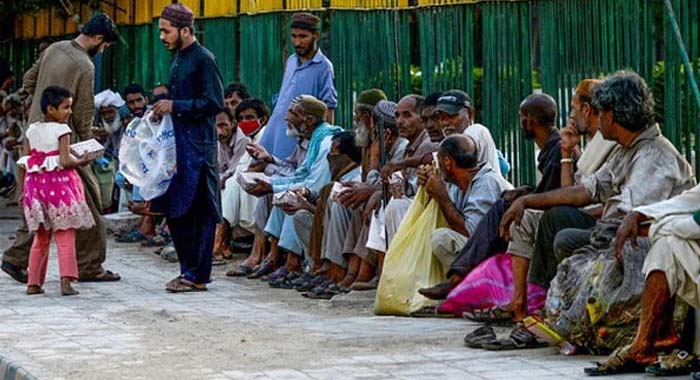
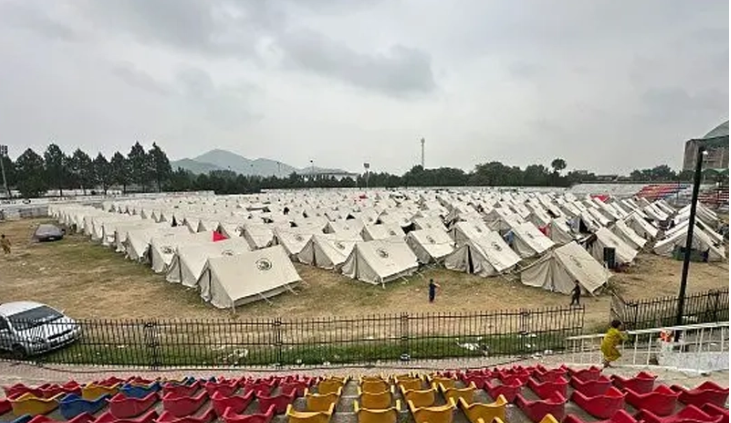
Official figures show 1,497 men, 1,552 women, and 3,558 children in government-run shelters, with another 2,497 people housed in temporary camps at the district sports stadium. Registration efforts are ongoing for nearly 20,000 households.
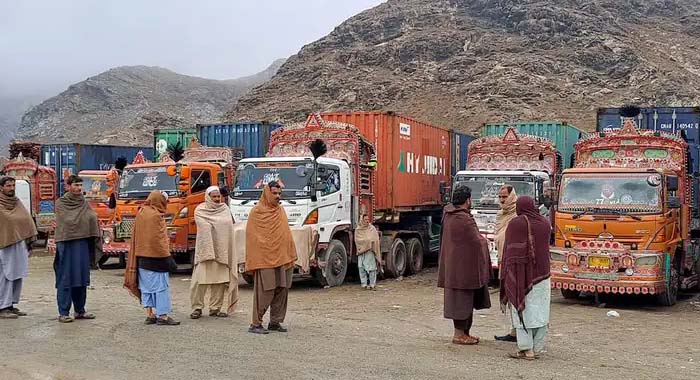
Relief agencies say the true scale is far larger, estimating up to 25,000 families — about 100,000 people — have fled from villages in Lowi Mamund, Gat, Tarkho, Irab, Khurchai, and surrounding areas.
“We walked for three days with no food, no transport — only fear the fighting would catch us,” said one father, cradling his sleeping daughter in a converted school shelter.
Fear Without Warning
Residents claim the operation began abruptly, with no prior warning. Section 144 restrictions were imposed overnight, shops closed, and fear alone emptied the streets.
“It was terror without warning,” said local journalist Muhammad Bilal Yasir. “Families left in the brutal heat, carrying whatever they could. Markets shut without any official curfew — fear did the rest.”
Civilian Casualties and Protests
While the military insists the offensive is precise, civilians have borne the brunt. A mortar strike in Mamund killed a mother and her two children, injuring two others. In another incident, three people died and ten were wounded in crossfire.
No official militant deaths have been confirmed, though local sources report at least four killed. The civilian casualties have sparked protests in Khar Bazaar, with residents refusing to bury victims until an impartial inquiry is held. Tribal elders from Bajaur and Mohmand have condemned forced displacement and called for dialogue over further escalation.
A Cycle Without End
Bajaur has faced repeated waves of displacement since the early 2000s, driven by militant violence, military operations, and natural disasters. Many families say their children have grown up knowing only camps and shelters.
“It feels like we are always on the move,” said one elderly resident. “We just want a place to live without fear.”
New Tactics, Old Costs
Analysts note a shift towards drone strikes and targeted raids rather than large-scale offensives. Officials argue this reduces collateral damage, but in the ruins of burnt homes, such assurances carry little weight.
Aid groups warn of dehydration, malnutrition, and disease outbreaks in overcrowded shelters. Without swift humanitarian intervention, they say, Bajaur risks sliding into another prolonged crisis — yet another chapter in its long history of generational suffering.