Report By CBN247 :
A new agreement between the Bara Qambar Khel tribe and the banned Tehrik-i-Taliban Pakistan (TTP) in the Tirah Valley has sparked both hope and concern across Khyber Pakhtunkhwa (KP).
The five-point deal, reached through a traditional tribal jirga, is meant to improve security in the area. But many fear it may also signal a dangerous compromise with a proscribed militant group that continues to operate in the region.
Background: Years of Violence in Tirah
Tirah Valley has been a hotspot of conflict for years. The local population—especially the Bara Qambar Khel tribe—has suffered from militant violence, army operations, and mass displacement. With state protection weak or absent, many communities have turned to their elders and traditional jirgas to negotiate peace on their own.
This latest agreement with the TTP is part of that effort—born more from necessity than choice.
What’s in the Agreement?
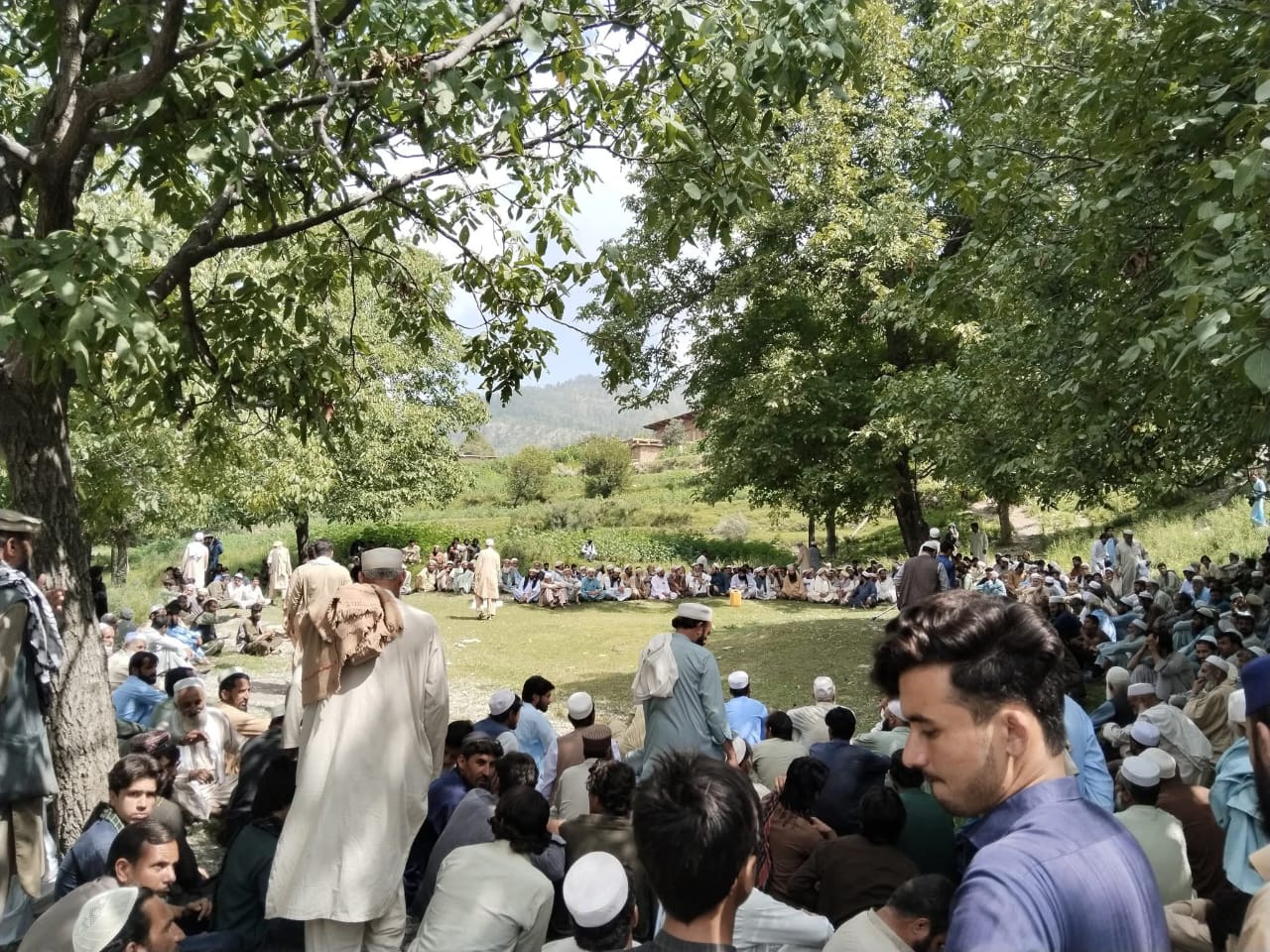
The peace deal was finalized in the Bar Bagh area of Tirah, led by tribal elder Haji Zahir Shah Afridi. The TTP reportedly accepted all five conditions set by the tribe:
- No Attacks from Public Areas:
The TTP promised not to launch attacks from civilian homes or guesthouses (Hujras), reducing risk to local families. - No Forced Donations or Taxes:
The group is banned from collecting religious taxes (ushr, zakat) or extorting money—an issue that angered many locals. - Stay Out of Tribal Disputes:
TTP fighters agreed not to interfere in private or community matters, restoring the authority of tribal elders. - Joint Action Against Wrongdoers:
The tribe and TTP will work together against people seen as harmful to the community—a vague clause that has raised concerns. - Investigation into Past Violence:
The tribal shura will provide a list of those allegedly killed, tortured, or abducted by TTP. If found innocent, the group says it will punish the responsible members under Sharia law.
Mixed Reactions from the Public
Many residents are relieved to see any step toward peace, but others worry that the deal gives legitimacy to a banned group.
A senior journalist questioned the agreement’s silence on one key issue: “It doesn’t even say that the TTP should leave the area. How is this a success?” he posted on social media.
Some have also criticized the use of the Holy Quran during the agreement, saying it politicizes religion and gives the group a false sense of moral authority.
At the jirga, tribal elder Haji Zahir Shah Afridi called the deal “a gift from Allah” and a “victory for the nation.” Still, many see it as a short-term solution that leaves deeper issues unresolved.
A Model for Other Areas?
Observers say this agreement could set a precedent for other parts of KP, including Mohmand, Bajaur, and North Waziristan—regions also dealing with insecurity and protest.
The big question remains: Is this the start of real peace—or just a temporary truce with long-term risks?
For now, in a region where the state’s presence feels distant, many communities are left to find their own way forward.