By Muhammad Younas :
A growing humanitarian crisis is unfolding in Khyber Pakhtunkhwa as hundreds of thousands of registered Afghan refugees face imminent expulsion following a government directive ending legal protections that had allowed them to remain in Pakistan for decades.
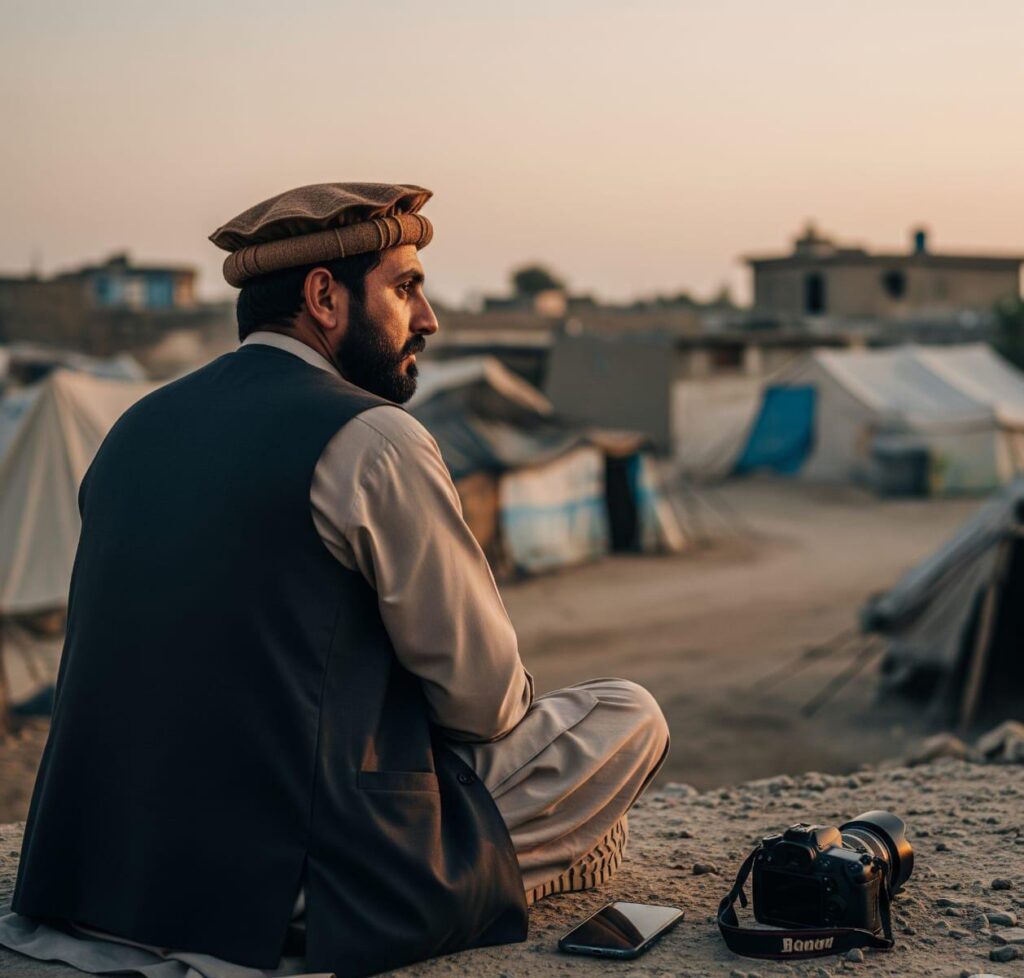
The Khyber Pakhtunkhwa Home Department, acting on a federal government decision, has announced that the Proof of Registration (PoR) cards the official documents granting Afghan nationals refugee status—will no longer be renewed. The decision affects more than 700,000 registered Afghan refugees in KP alone, more than half of the total registered Afghan population in Pakistan.
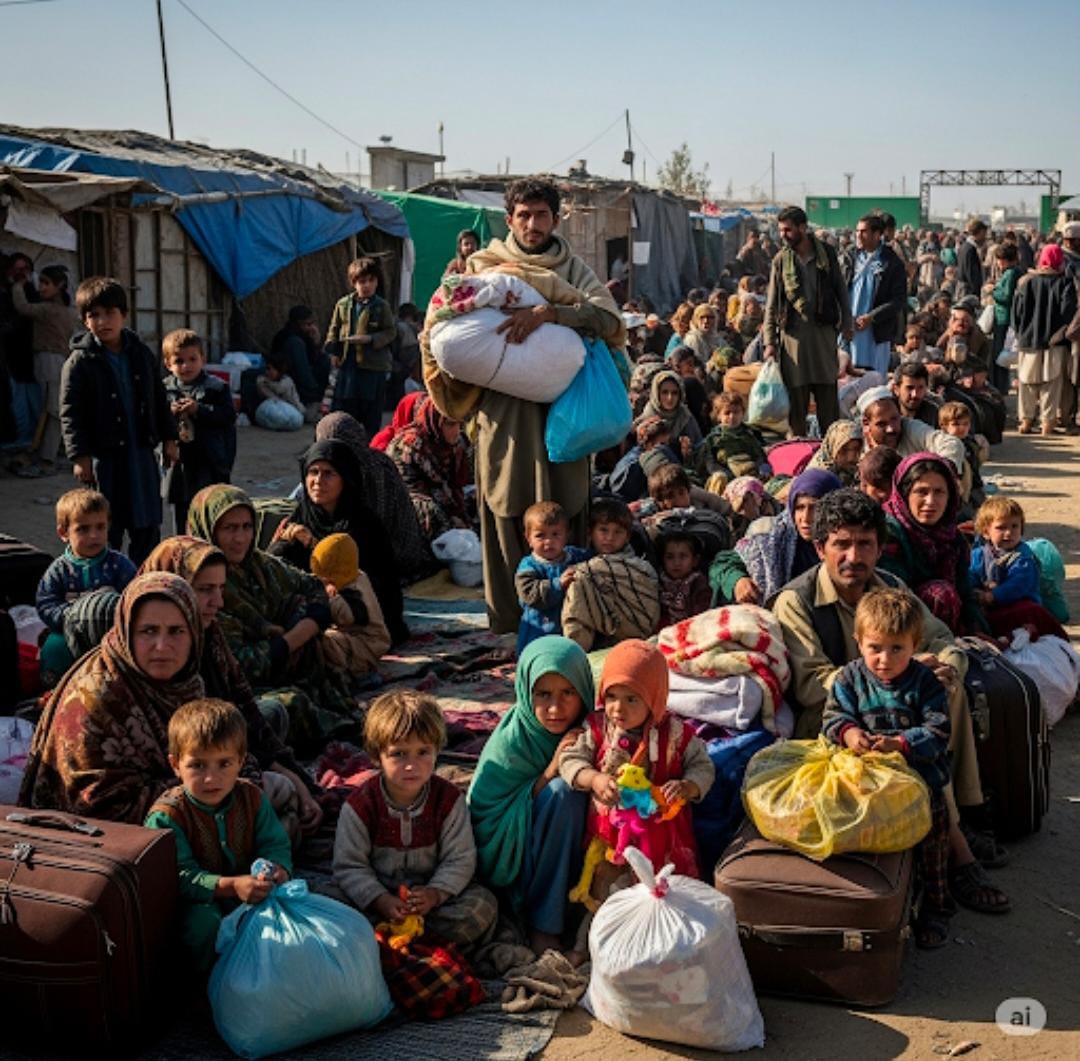
The move has triggered widespread anxiety across refugee communities in Peshawar and surrounding districts. Many of those affected were either born in Pakistan or have lived in the country for over 40 years. Local refugee leaders say the directive leaves families with few options: either return to Afghanistan, a country still facing instability and economic collapse, or risk arrest and deportation.
“We are not just cardholders—we are people with families, homes, and businesses here,” said a community elder in Peshawar. “This land has been our only home for generations.”
Longstanding Host Policies Rolled Back
Pakistan has hosted Afghan refugees since the Soviet-Afghan war in the 1980s, with KP acting as the primary host province due to its proximity and cultural ties with Afghanistan. For decades, PoR cards have granted Afghan nationals access to limited legal protections, education, and public services.
However, the government now cites national security and economic pressures as reasons for ending the arrangement. The decision comes amid a broader campaign that began last year, during which more than one million Afghans including unregistered migrants—have been repatriated or deported, according to official figures.
The repatriation policy is being enforced through transit centers in locations such as Peshawar and Landi Kotal, where thousands of families have begun gathering ahead of what could be a permanent return to Afghanistan.
International Concerns Over Rights and Legal Protections
The United Nations Refugee Agency (UNHCR) has expressed serious concern over the government’s decision, warning that it may violate international legal norms, including the principle of non-refoulement, which prohibits the forced return of refugees to countries where their lives or freedoms may be at risk.
UN agencies and human rights groups highlight the particular vulnerability of Afghan women, children, and minority groups returning to Taliban-controlled Afghanistan. Many women and girls face severe restrictions on education, employment, and freedom of movement under current laws, while others may lack access to critical healthcare and humanitarian support.
“Sending women and girls back under these circumstances raises grave protection concerns,” a UN official said.
Health workers have also voiced concerns for patients undergoing treatment in Pakistan who may be unable to continue their care after returning.
Humanitarian Impact on Both Sides of the Border
Aid organizations warn that the mass repatriation is worsening an already dire situation in Afghanistan, where nearly two-thirds of the population relies on humanitarian aid. Afghanistan’s economy remains fragile, and local infrastructure is ill-equipped to absorb the sudden influx of returnees.
In Pakistan, refugee families are reportedly selling off belongings at low prices, withdrawing children from school, and closing down small businesses as they prepare for departure.
“We left our country once to escape war,” said an Afghan schoolteacher in Nowshera. “Now we are being forced to return with nothing but fear and uncertainty.”
A Broader Crisis in the Making
Experts and rights defenders warn that the expulsion order may create a second-generation displacement crisis, particularly for youth born and raised in Pakistan who lack ties to Afghanistan.
The Pakistan government has yet to announce any structured resettlement or reintegration plan for returning refugees. Meanwhile, civil society organizations have urged authorities to consider alternative legal pathways, such as temporary residency or humanitarian visas, for long-term refugees with strong ties to Pakistan.
As the government moves ahead with implementation, thousands of Afghan families continue to wait—many at the borders, others in their homes—for a future that remains unclear.