
By Riaz Hussain :
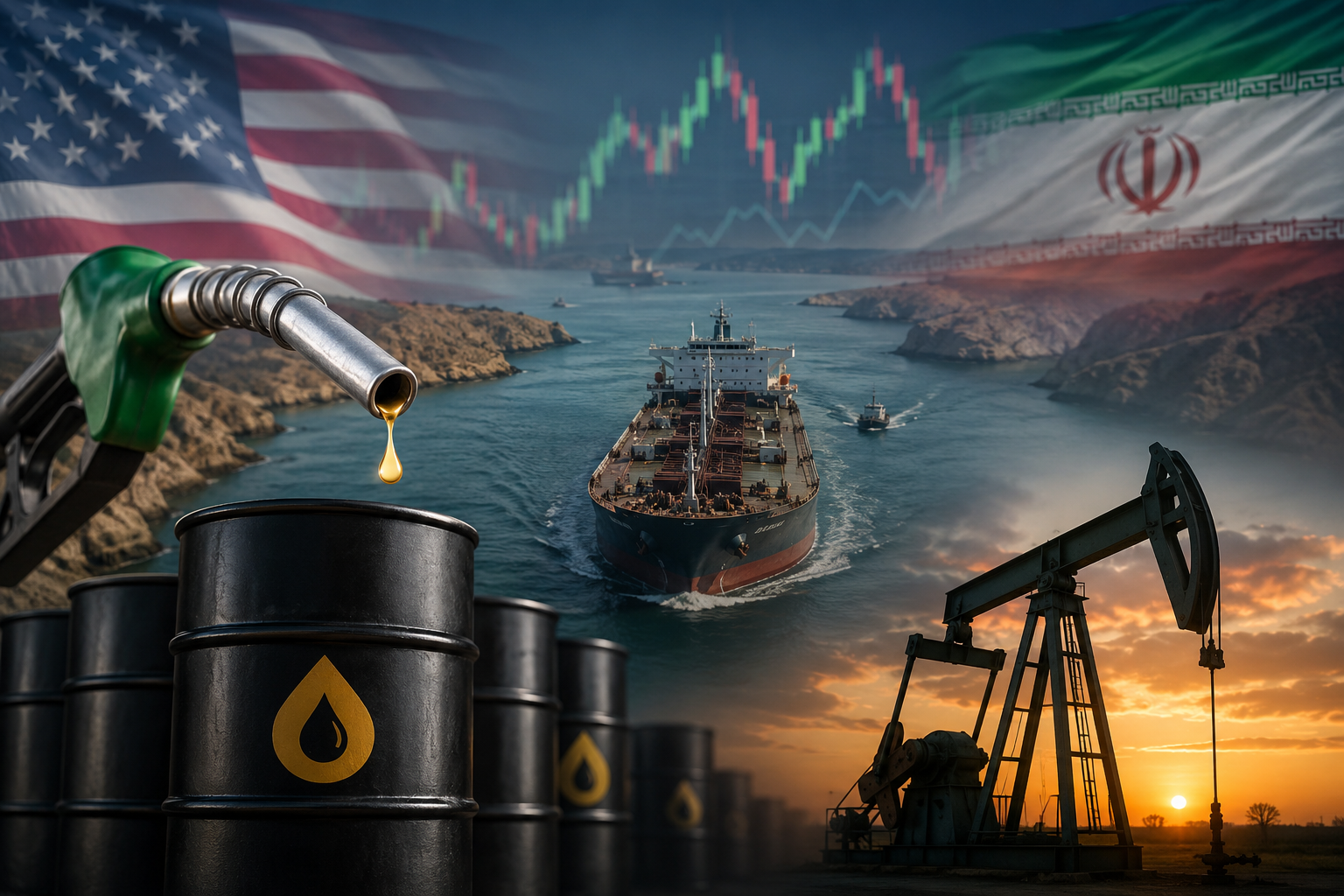
Global oil prices remained broadly steady in early trading on Thursday as investors assessed the outlook for the US-Iran conflict and uncertainty surrounding the security of shipping through the strategically vital Strait of Hormuz.
Brent crude futures for October delivery rose 25 cents, or 0.3 per cent, to $91.87 a barrel by 0037 GMT, while US West Texas Intermediate (WTI) crude for September edged down two cents to $85.81 a barrel. The more active October WTI contract gained 14 cents, or 0.2pc, to $84.53 a barrel.
Both Brent and WTI benchmarks had risen for a fourth consecutive session on Wednesday, settling at their highest levels since July 24.
The latest movement in international oil prices comes as Pakistan has sharply reduced the price of high-speed diesel (HSD), while increasing the price of petrol.
The federal government on Wednesday cut the price of HSD by Rs32.63 per litre following what it described as “successful” talks with oil refineries. At the same time, the petrol price was increased by Rs2.97 per litre.
According to the Petroleum Division’s notification, the revised prices came into effect on Thursday, August 20. Petrol is now being sold at Rs337.51 per litre, while HSD costs Rs363.06 per litre.
The government continues to collect Rs114 per litre in taxes and duties on petrol and Rs100 per litre on diesel.
The latest reduction has brought diesel prices significantly down from their peak of Rs520.35 per litre recorded on April 3. HSD prices had started climbing from around Rs281 per litre after the US-Iran conflict erupted on February 28.
Petrol, meanwhile, had reached a record Rs458.41 per litre on April 3, after beginning its upward trend from around Rs266 per litre during the first week of March.
Daily price revisions
The government has moved towards more frequent fuel-price adjustments because of sharp fluctuations in international oil markets amid renewed tensions in the Middle East.
Petroleum Minister Ali Pervaiz Malik had earlier announced that fuel prices would be determined on a daily basis, with the Oil and Gas Regulatory Authority (Ogra) tasked with adjusting prices according to movements in international crude prices.
Since early March, the government had been announcing weekly revisions while also introducing fuel-conservation measures to deal with the possibility of disruptions to oil supplies caused by the conflict.
The federal government also announced targeted relief measures in April to provide subsidised fuel to eligible consumers.
Strait of Hormuz remains key concern
Despite the recent moderation in oil prices, the market remains sensitive to developments surrounding the Strait of Hormuz, through which a significant portion of global oil supplies normally passes.
US President Donald Trump said on Tuesday that the Strait was open and that no talks were taking place with Iran. Tehran, however, maintained that the waterway remained shut.
Shipping activity through the strait slowed on Wednesday as many shipowners avoided the route because of uncertainty over whether the reported blockade had actually been lifted.
The United Arab Emirates’ decision to suspend financial and economic transactions with Iran has also renewed concerns about tensions between the Gulf Arab oil producers.
Economy experts say oil prices remained elevated because of sporadic attacks in the Middle East, although the market lacked fresh momentum in the absence of a major escalation.
According to experts oil prices could maintain a gradual upward trend because of uncertainty surrounding peace talks and tensions involving Iran, the UAE and Oman.
US inventories rise
In the United States, crude and gasoline inventories increased last week, while distillate stocks declined, according to the Energy Information Administration.
US crude inventories rose by 4.4 million barrels during the week ended August 14, against market expectations for a decline of about 600,000 barrels.
Higher US inventories could put some downward pressure on international oil prices, although geopolitical risks remain the dominant factor for markets.
Impact on Pakistan
Fuel-price movements have a direct impact on Pakistan’s economy and consumers. Petrol is widely used by private motorists, motorcycles, rickshaws and small vehicles, meaning changes in its price have an immediate effect on lower- and middle-income households.
Diesel prices have an even broader impact because HSD is extensively used by heavy transport, agriculture, power plants and large generators. A sustained decline in diesel prices could help reduce transportation and production costs and potentially ease inflationary pressures.
Petrol and HSD are also major sources of government revenue, with monthly sales estimated at around 700,000 to 800,000 tonnes, compared with approximately 10,000 tonnes of monthly kerosene demand.
The latest Pakistani price adjustment therefore comes at a time when international oil markets remain highly volatile, leaving consumers and policymakers closely watching developments in the US-Iran conflict and the future of shipping through the Strait of Hormuz.