By Riaz Hussain
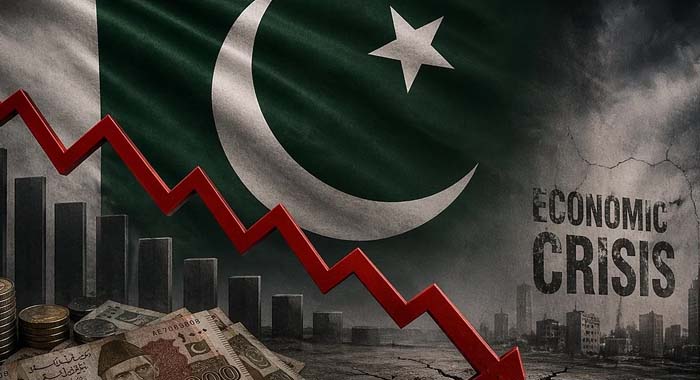
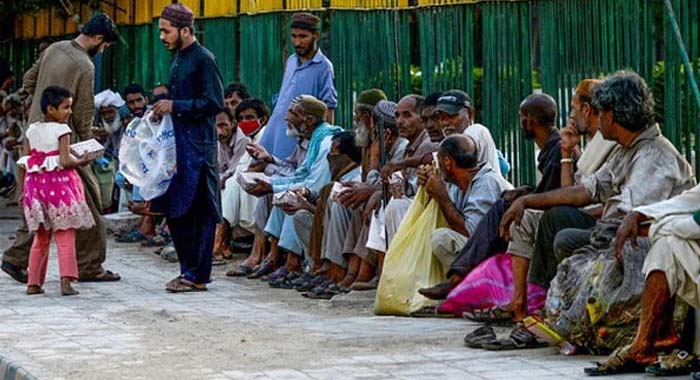
PESHAWAR, — Frequent changes in fuel prices are adding to the financial pressures facing millions of ordinary Pakistanis, increasing transportation costs and putting further strain on household budgets already squeezed by higher food, education and healthcare expenses.
For 46-year-old Nisar Khan, a taxi driver and father of six, the rising cost of petrol has become a daily struggle. He says he has stopped driving his taxi and parked it at home because petrol has become too expensive and compressed natural gas, or CNG, is difficult to find.
“I am worried about how I will pay for my children’s education and meet the daily needs of my family,” Nisar said.
“Life has become very expensive,” he said, adding that if a family member falls ill, he may have to borrow money to pay for medical consultations and medicines.
Fuel Prices Directly Affect Household Budgets
Pakistan’s government has increased the price of petrol by Rs1.08 per litre and high-speed diesel (HSD) by Rs0.51 per litre, with the new prices taking effect on September 2.
Petrol now costs Rs343.87 per litre, while HSD is being sold at Rs370.92 per litre.
The latest increase may appear small, but economists and consumers say repeated changes in fuel prices make it difficult for families and businesses to plan their monthly expenses.
Petrol is widely used by private vehicle owners, motorcyclists, rickshaw drivers, taxi operators and small transport businesses. Even a modest increase can raise commuting and transportation costs, eventually affecting the prices of goods and services.
For low- and middle-income families, higher transport expenses can mean less money available for food, school fees, medicines and other basic needs.
Global Oil Prices Add to the Pressure
Pakistan’s domestic fuel prices remain closely linked to international oil markets.
Global crude prices have risen sharply amid renewed tensions in the Middle East. On September 2, Brent crude was trading around $95.40 a barrel, while US West Texas Intermediate was around $90.66, as concerns over supply disruptions increased.
Pakistan imports a large share of its petroleum requirements, meaning higher international oil prices can increase the country’s import bill and put additional pressure on domestic fuel prices.
The government has also moved toward more frequent fuel-price adjustments, increasing the importance of international oil-market movements for consumers in Pakistan.
Inflation Adds to Household Pressure
Fuel costs are only one part of the financial pressure facing Pakistani families.
Consumer inflation rose sharply to 11.1% in August 2026, up from 9.2% in July, according to the Pakistan Bureau of Statistics. On a month-on-month basis, consumer prices increased by 1.2% in August.
The latest data show that the pressure is particularly strong in rural areas. Rural inflation reached 12.2%, compared with 10.4% in urban areas.
Food prices have also continued to put pressure on household budgets. In August, prices of onions, wheat, tomatoes and other essential food items recorded significant increases on an annual basis. Motor fuel prices were 24.43% higher than a year earlier, while transport services increased by 28.72%.
The increase in fuel prices also showed up in monthly inflation data. Motor fuel prices rose 5.61% in August compared with July, while transport services increased by 1.35%.
Economic Pressure Falls on Ordinary People
Economist Fida Hussain says continuing conflicts and instability in the Middle East have had a negative impact on Pakistan’s economy and could add to the difficulties faced by ordinary citizens.
He says frequent changes in fuel and other essential commodity prices create uncertainty and make it difficult for families to prepare their monthly budgets.
“Prices of food, transportation and other daily necessities do not remain stable, making life increasingly difficult for ordinary people,” Fida Hussain said.
He also criticized Pakistan’s taxation system, saying the government has struggled to effectively collect taxes from wealthy sections of society.
He argued that when the government cannot collect sufficient revenue from those with greater ability to pay, the burden of taxes and other costs ultimately falls more heavily on ordinary citizens, particularly low-income households.
The Daily Struggle Behind the Economic Numbers
For people like Nisar Khan, economic statistics are not simply numbers. They are directly connected to decisions they make every day.
Should he drive his taxi or leave it parked because of fuel costs?
How will he pay his children’s school fees?
Can he afford enough food for his family?
And if someone becomes sick, will he have enough money to buy medicine, or will he have to borrow?
These questions illustrate how fuel prices can have an impact far beyond the petrol station.
The latest increase in petrol and diesel prices comes at a time when Pakistan’s annual inflation has already climbed back into double digits. With international oil prices also rising amid renewed Middle East tensions, households face the possibility of further pressure on transportation and other living costs.
For millions of Pakistanis, the question is no longer simply how much petrol costs today.
It is how much more money they will need tomorrow to afford the same food, transportation, education and healthcare.
Fuel Price Swings Add to Economic Strain on Pakistan’s Working Families